
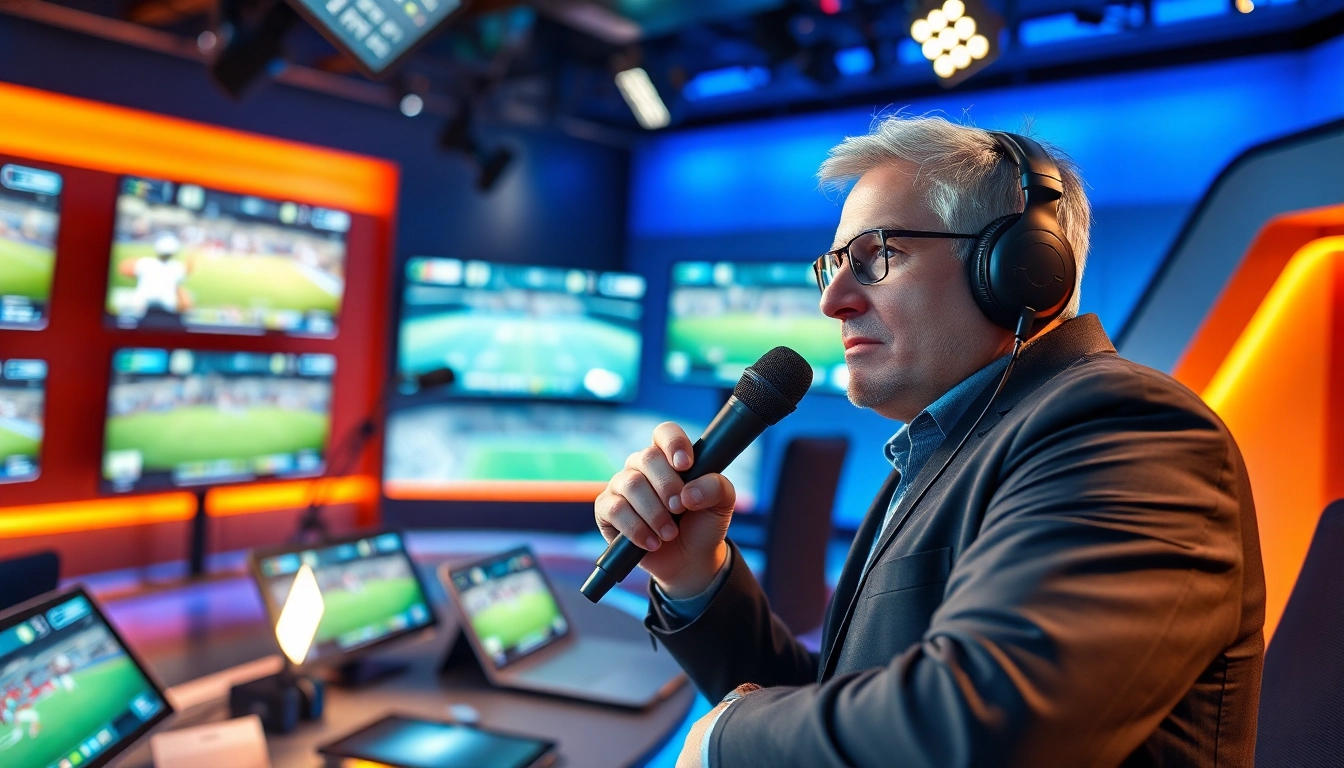
Understanding Sports Broadcasting
What is Sports Broadcasting?
Sports broadcasting refers to the distribution of sports-related content, including live events, highlights, and analyses, across various platforms. It combines traditional television networks with modern digital entities, allowing fans to engage with their favorite sports anytime and anywhere. With the rapid advancement in technology, Sports Broadcasting has become more interactive, allowing for greater engagement and diverse viewing experiences.
The Evolution of Sports Broadcasting
The roots of sports broadcasting can be traced back to the early 20th century when radio became a popular medium. The first-ever sports broadcast occurred in 1921, featuring a boxing match. This marked the beginning of an era where fans could experience live sports from the comfort of their homes. As television emerged, the industry transitioned, showcasing live games with visual commentary, which enhanced viewer engagement.
Over the decades, sports broadcasting evolved significantly. The introduction of cable and satellite television added countless channels dedicated to sports, leading to the rise of networks exclusively focused on sporting events. With the growth of the internet, online streaming platforms began to flourish, allowing fans to watch games on-demand, leading to the current era defined by accessibility and personalization.
Key Players in Sports Broadcasting
The sports broadcasting landscape comprises various stakeholders, including television networks, streaming platforms, sports leagues, and advertising companies. Traditional networks such as ESPN and ABC have dominated for years, but platforms like Amazon Prime Video and YouTube have emerged as strong contenders in delivering sports content. Leagues and teams, meanwhile, have recognized the importance of engaging directly with their audience through social media and digital platforms, further transforming how sports are consumed and shared.
Technologies Transforming Sports Broadcasting
Streaming Services and Their Impact
The advent of streaming services has revolutionized sports broadcasting. Platforms like Hulu Live TV, YouTube TV, and various sportsbook apps allow viewers to watch sports live, often without the usual cable subscription requirements. This flexibility changes how audiences interact with sports, making it easier to follow multiple sports or teams concurrently. Users can also access unique features like interactive statistics, live polls, and in-depth analyses that enrich their viewing experience.
Augmented and Virtual Reality in Sports Broadcasting
Augmented Reality (AR) and Virtual Reality (VR) are the exciting frontiers in sports broadcasting, offering immersive experiences to fans. AR technology allows audiences to visualize stats and player information right on their screens, enhancing their understanding of the game. Conversely, VR can transport fans to a virtual stadium, making them feel as though they are part of the live event, regardless of their geographical location. These technologies present new marketing opportunities and sponsorship possibilities, generating revenue streams while keeping fans engaged.
Artificial Intelligence in Sports Analysis
Artificial Intelligence (AI) is becoming integral to sports analysis in broadcasting. Machine learning algorithms analyze vast amounts of game data to provide insights on player performance and strategies. Broadcasters leverage this information to deliver real-time analytics during live coverage, enriching the narrative and offering viewers unparalleled insights into the game. Furthermore, AI-powered chatbots enhance viewer interactions, providing them with personalized responses to queries about their favorite teams or players.
Challenges in Sports Broadcasting
Licensing and Rights Issues
One of the primary challenges in sports broadcasting is navigating the complex landscape of licensing and rights management. Each sporting event requires permissions from various rights holders, including leagues and teams, to broadcast their content. These rights can be costly and vary by region, complicating access for viewers. The continual negotiation for exclusive broadcasting rights also leads to competition among networks and digital platforms, driving up costs and impacting pricing for consumers.
Audience Engagement Strategies
Keeping audiences engaged is paramount in sports broadcasting. With various options available, broadcasters must develop creative strategies to retain viewership. This includes interactive content, such as polls, fantasy leagues, and social media integration, which portrays a two-way relationship between fans and broadcasters. High-quality commentary and live coverage that integrates viewer feedback can also enhance the viewing experience.
Addressing Technological Barriers
The digital divide remains a significant challenge in sports broadcasting. While streaming services provide greater access, they may not reach all demographics equally. Ensuring that athletes and teams can engage effectively with diverse audiences requires addressing these technological barriers, such as poor internet connectivity and access to devices. Improving accessibility through targeted initiatives can help reach untapped markets and foster a broader fan base.
Future Trends in Sports Broadcasting
Increased Personalization for Viewers
As consumer preferences become more nuanced, personalization in sports broadcasting is set to rise. Customizable viewing options, where fans can select different camera angles, commentary styles, or even which aspects of the game to focus on, will enhance viewer enjoyment. This personalization promotes a sense of ownership and control over the viewing experience, making it more relevant and engaging.
Growth of Esports Broadcasting
Esports has witnessed exponential growth, attracting millions of viewers globally. Streaming platforms have recognized the demand, and established broadcasters are beginning to include esports in their portfolios. This crossover is not only advantageous for traditional sports broadcasters, but it also brings a new demographic of viewers that are more inclined towards digital content consumption, thereby reshaping the broadcasting landscape.
Integration of Social Media with Sports Broadcasting
Social media continues to play a critical role in how sports content is distributed and consumed. Broadcasters are increasingly leveraging platforms like Twitter, Instagram, and TikTok to promote live events, share highlights, and engage with fans in real-time. This integration allows broadcasters to enhance their reach and connect with diverse audiences, ultimately driving greater engagement and loyalty.
Metrics for Measuring Success in Sports Broadcasting
Key Performance Indicators to Track
In an era where data is king, tracking key performance indicators (KPIs) is essential for understanding the success of a broadcast. Important metrics include viewer ratings, engagement rates, number of social media interactions, and subscription growth for streaming platforms. Understanding these metrics helps broadcasters make informed decisions about content strategies and target demographics.
The Role of Viewer Feedback
Regularly soliciting viewer feedback can provide valuable insights into areas needing improvement. Surveys, focus groups, and social media interactions can help broadcasters understand audience preferences and expectations. Actively addressing audience feedback not only improves content quality but also builds trust and strengthens viewer relationships.
Analyzing Engagement Analytics
Engagement analytics, such as average watch time, unique viewers, and in-event engagements, help broadcasters determine content effectiveness. Analyzing these metrics assists in identifying popular segments, optimizing future broadcasts, and creating more compelling content that resonates with viewers. Emphasizing engagement ensures that sports broadcasting evolves alongside audience habits and preferences.
Frequently Asked Questions
What is the primary goal of sports broadcasting?
The primary goal of sports broadcasting is to deliver live sports events and related content to audiences, providing an engaging experience that enhances viewer enjoyment and fosters a connection between fans and their favorite sports.
How has technology changed sports broadcasting?
Technology has changed sports broadcasting by introducing streaming services, AI analytics, and immersive technologies like AR and VR, enhancing viewer engagement while offering personalized experiences and real-time insights.
What challenges do sports broadcasters face today?
Today, sports broadcasters face challenges such as licensing issues, maintaining viewer engagement, and overcoming technological barriers, especially in under-served regions with limited access to high-speed internet.
How important is social media for sports broadcasting?
Social media is crucial for sports broadcasting because it increases audience engagement, promotes live events, and facilitates real-time interaction between broadcasters and viewers, driving loyalty and viewership growth.
What metrics are essential for measuring success in sports broadcasting?
Essential metrics include viewer ratings, engagement rates, subscription growth, and audience feedback, which help broadcasters evaluate content quality and make informed strategic decisions for future broadcasts.